Protect your Roof with Reflective Insulation Material
As far as maintaining your indoor climate cooler and energy-efficient, your roof is a significant part of the equation. Perhaps the best method of weatherproofing your roof and keeping your indoor temperature warm and even is by fitting reflective insulation material.
Reflective insulation is most made by laminating aluminium foil onto foam, bubble wrap, or kraft paper. Traditional insulation materials reduce heat, whereas reflective insulation reflects radiant heat off the surface.
Reflective insulation material on the roof lowers indoor temperatures by as much as 10°C, lowers air conditioning loads and provides greater comfort during the day.
This insulation is not only simple and lightweight to install but also pest-, mould-, and moisture-proof. It is maintenance-free and durable. It not only safeguards your roof but also your entire investment in your property.
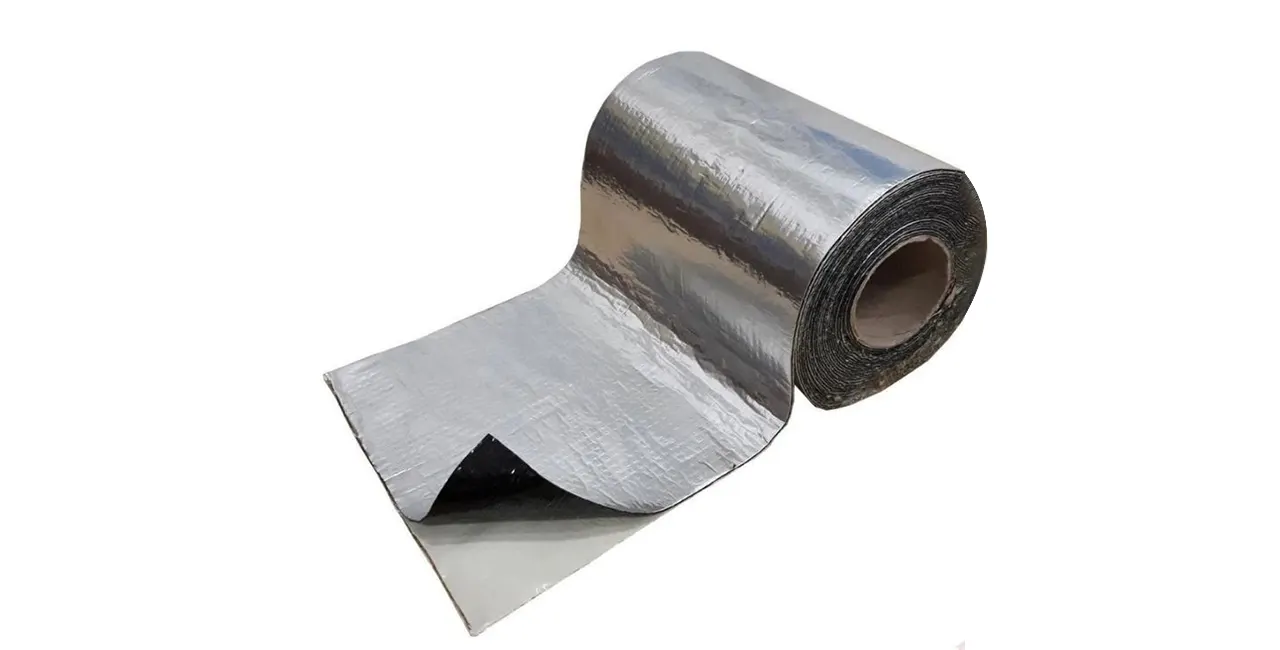
Whether used for the construction of a new building or for the retrofitting of an existing one, installing a reflective insulation layer is a smart, eco-friendly solution. It can be used in residential homes, warehouses, offices, farmhouses, and shed buildings.
Protect your roof the smart way with reflective insulation. It is energy-efficient, cost-effective and a step towards the future of sustainability.
Reasons Why Reflective Insulation Material Stands Out in The Market
When it comes to thermal insulation, materials are not created equal. Out of the numerous materials that are available and that can be used, reflective insulation material has established a clear advantage in the marketplace and for good and valid reasons.
In contrast with the traditional insulation materials that function by reducing the rate of heat transfer, reflective insulation prevents radiant heat through reflecting away from the building. This simple distinction makes it very efficient, particularly for those areas with hot climates where solar radiation is strong.
Another top feature is that it is lightweight and flexible. Reflective insulation is simple to handle, ship, and install; it is also time and labour-saving. It may be lightweight, but it has robust performance for residential and commercial uses.
Reflective insulations are rated high for durability and moisture resistance. Unlike some older materials that deteriorate or attract insects, reflective insulation is nontoxic, mold-free and durable. It doesn't sag or settle with age, still Performing optimally for years.
Cost-effectiveness is another major plus. With energy savings on cooling bills, low maintenance, and simplicity of installation, reflective insulation offers a high return on investment.
From homes and warehouses to sheds and factories, reflective insulation is the builder's, architect's, and homeowner's first choice. Its ability to bring comfort, efficiency, and sustainability has made it a market leader in modern building.
How Can You Make the Best Use of Reflective Insulation Material?
Struggling to achieve a well-illuminated and thermally efficient space? Mixing reflective insulation material with polycarbonate sheet is one of the most intelligent decisions in contemporary architecture.
Polycarbonate sheets are installed because of their strength, lightness and excellent light transmission. Their sole disadvantage is the heat that builds up under polycarbonate roofs, especially in warm climates. Reflective insulation solves this issue. Applied along with the polycarbonate sheets, it reflects the radiant heat and doesn’t allow it to enter your space.
This blend is perfect for greenhouses, patios, skylights, pergolas, and commercial roofing where natural light is needed but temperature regulation is also an issue.
Installation is easy; the polycarbonate sheets can be installed first, and the reflective insulation is then applied to the inner face or in the direction of the sun. The aluminium coating reflects the sunlight, and the foam or bubble wrap backing adds additional insulation and strength. This arrangement improves thermal performance and offers a further level of UV and moisture protection.
The icing on the cake? It's cost-effective in energy. With the indoor temperature consistent especially if your room is on the rooftop. You decrease the use of air conditioners, which means long-term savings.
For use in residential, commercial and industrial building applications, reflective insulation material combined with polycarbonate is an appropriate option combining lightness, comfort and energy efficiency. When constructing a new building or refurbishing an existing one, the combination provides performance and value.
For your home, commercial and industrial spaces to have cooler interior with well protected exterior reach out to us now.
Related Blogs
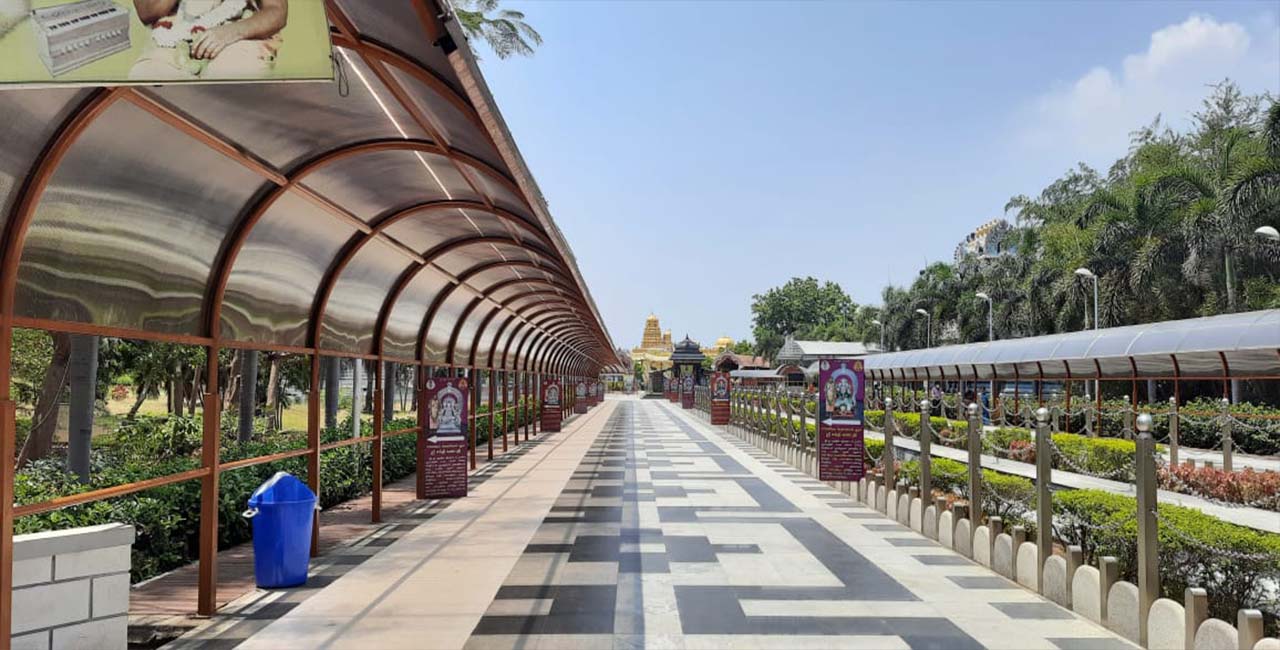
Why Choose Lexan Multiwall Polycarbonate Sheets for Skylights and Roofing
When it comes to skylights and roofing materials, choosing the right product can make a world...
19 Sep, 2023
Read more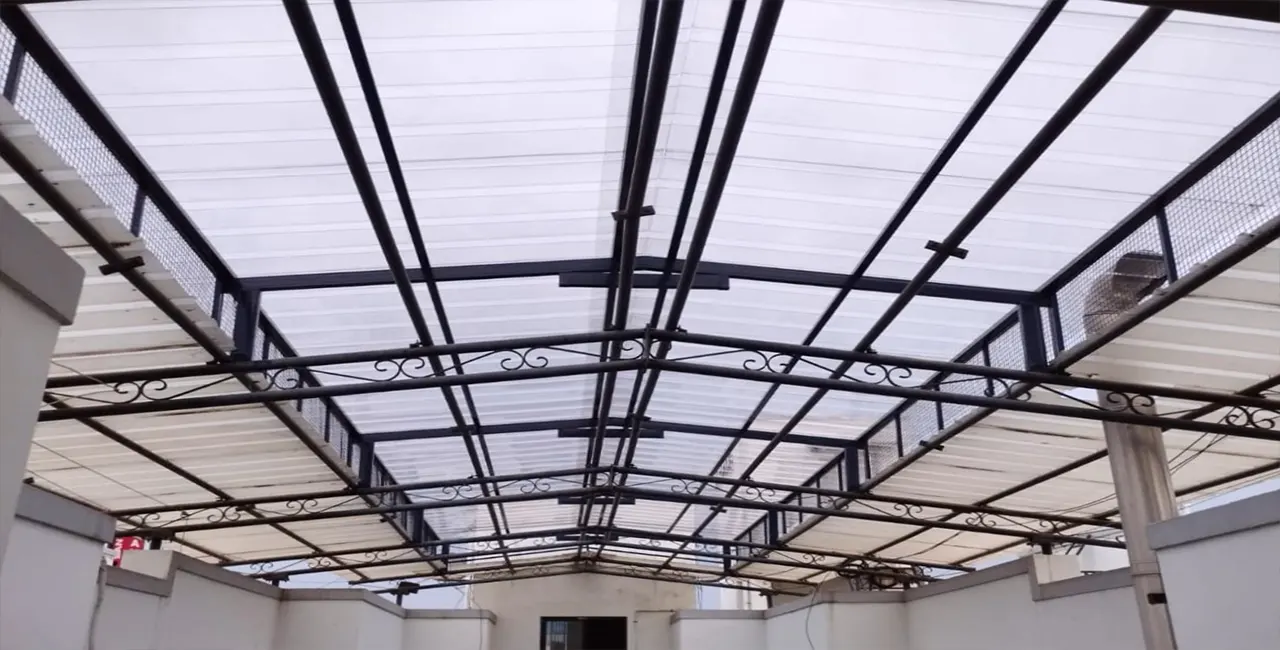
Future of Polycarbonate Sheet Technology Advancements and Trends in India
In the rapidly evolving realm of architecture and construction, where innovation and sustainability intertwine...
10 August, 2023
Read more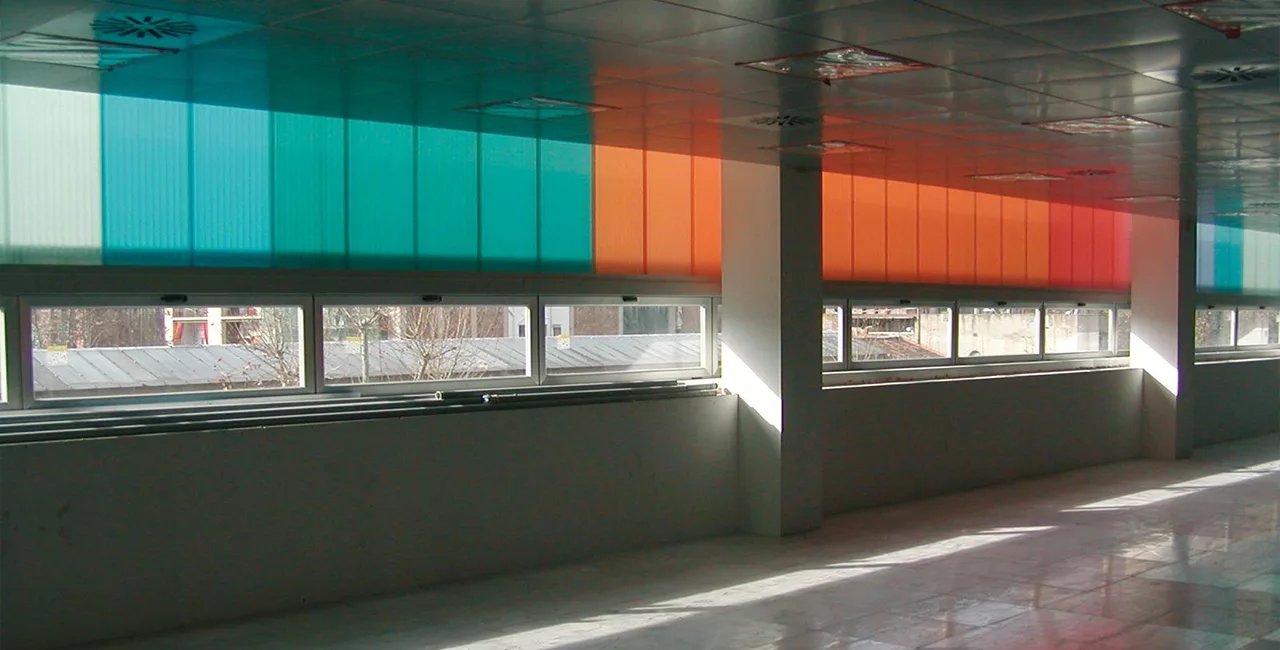
Exploring the World of Polycarbonate Sheets: Unveiling Their Properties and Applications
Polycarbonate sheets have revolutionized the construction and industrial sectors with their remarkable properties and...
10 August, 2023
Read more