Why Polycarbonate Sheet for Balcony & Roofing
You might be thinking why a lot of homeowners are choosing polycarbonate sheet, so here’s why-
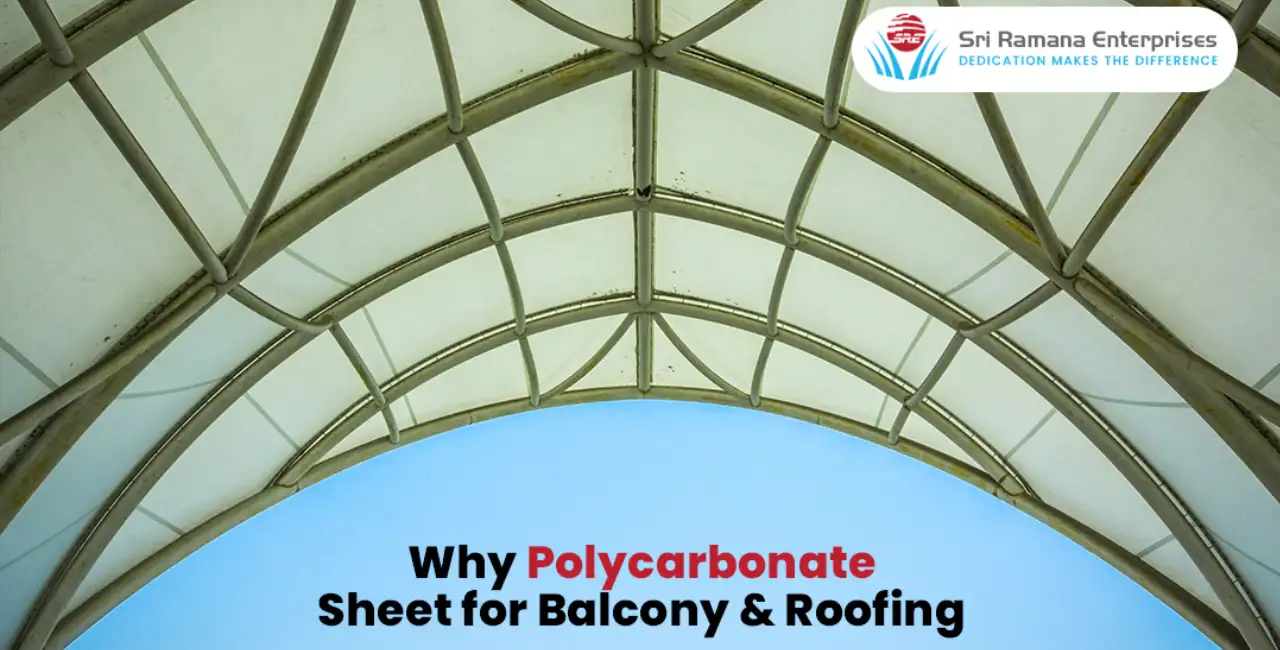
In many homes, light and safety go hand in hand. With polycarbonate you get daylight with UV protection. It stays light in weight, strong in impact, and keeps out glare and rain spray—so the space feels bright, open, and secure.
Where it works best
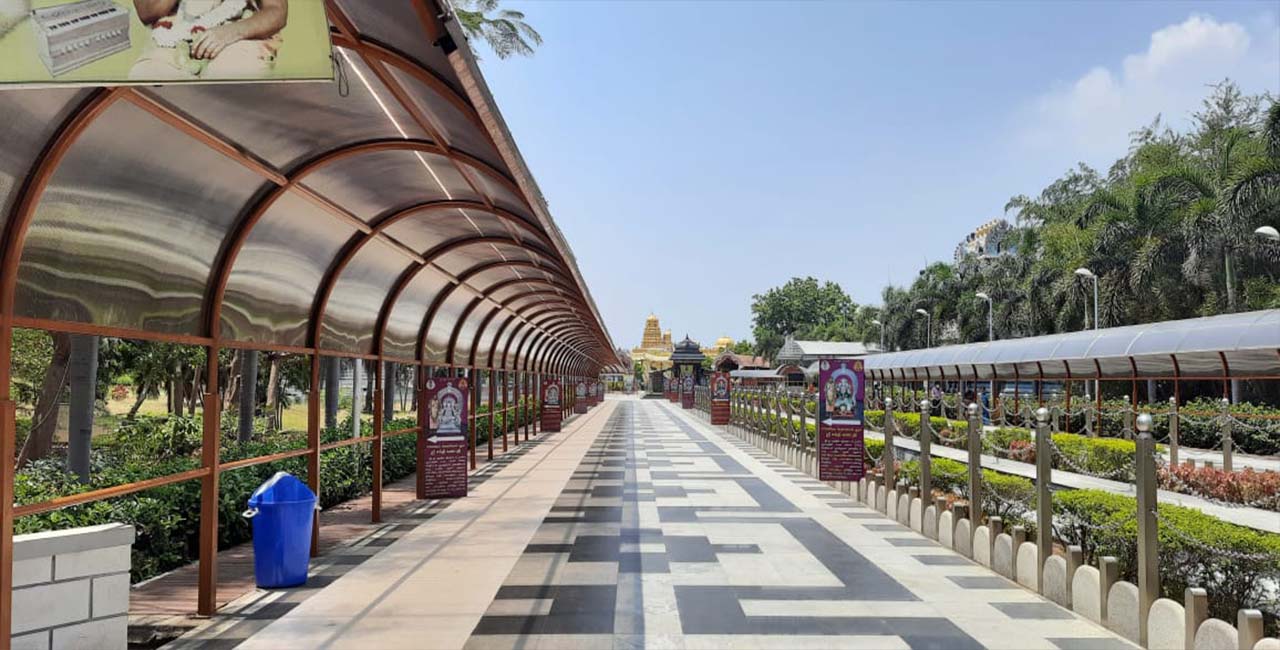
You’ll see it add value in balcony screens, canopies, skylights, carports, and walkways. A solid sheet offers the clarity of glass, while multiwall sections bring insulation. Corrugated profiles, on the other hand, carry longer spans with fewer supports. Sri Ramana is one of the top supplier for durable sheet with a variety of choice.
What to check first
Choose thickness to suit span and wind exposure. Fix it with the UV-protected side facing outward, and allow space for natural expansion. Use EPDM-backed fasteners, plan slope for quick drainage, and seal multiwall ends for durability. In hot or monsoon-prone zones, opal or solar-control tints help keep comfort steady.
Polycarbonate sheet for balcony
A polycarbonate sheet for balcony solves three problems at once: wind buffering, privacy, and daylight. You keep the space bright while cutting harsh glare and rain spray.
What to consider:
- Sheet type:
- Solid for clear views and a glass-like look.
- Embossed/frosted for soft privacy with diffused light.
- Multiwall for lighter weight and better insulation.
- Thickness: match wind exposure and span. Many balconies work well with 6-10 mm solid or 8-10 mm Multiwall. Larger spans or high-rise wind zones may need more.
- UV side up: install with the UV-protected face outward for longevity.
- Fixings: use compatible screws and allow for thermal expansion.
- Privacy & tint: You can go for colours like light bronze or opal tints. It helps reduce the glare and overlook without making it gloomy.
- Maintenance: All you need is mild soap and water. But at all cost avoid abrasive cleaners.
In coastal or monsoon-heavy cities, proper sealing and slope help the panel shed water and stay clear longer.
Polycarbonate Sheet for Roofing
This sheet for roofing gives you daylighting without the fragility of glass or the weight of metal sandwich panels. It’s popular for carports, skylight bands, walkways, factories, and stadium edges.
Planning tips:
- Choose the form to fit the frame:
- Corrugated for strength across purlins and fast installation.
- Multiwall to reduce heat gain and glare.
- Solid where a sleek, glassy look is essential.
- Span and thickness: follow manufacturer span tables. Longer spans and higher wind/snow loads call for thicker or profiled sheets.
- Slope and drainage: give the roof adequate pitch so water moves off quickly and keeps the surface clean.
- Thermal expansion: leave expansion gaps and use slotted holes. Tight fixes cause waves and stress cracks.
- Sealing: use compatible flashings and end tapes on Multiwall to keep dust and insects out.
- Heat and glare control: consider opal or solar-control tints and embossed textures for comfort under the roof.
- Safety and code: confirm fire ratings and local building requirements before purchase.
Install it right and you’ll get bright spaces that stay usable through heat and rain.
At the end of the day, what matters is strength, clarity and longevity. Sri Ramana polycarbonate sheet gives you the daylight, the strength, and the clean look people want. You can avoid the weight and risk of glass. If you choose carefully—right type, right thickness, right fixing—it will serve you well for years with very little effort. And that’s really what good building is about: making life easier, safer, and better for the people who live with it.
FAQs
How long does a polycarbonate sheet last outdoors?
Longevity is what matters. If you have the UV protection and proper installation, these sheets will serve you well for many years. Climate, thickness, and the way you care for it all play a role. Select the ones with written warranties. That gives you confidence and accountability.
Does a polycarbonate sheet turn yellow?
Quality is what makes a sheet well-made. And these comes with a co-extruded UV layer that resists yellowing and surface wear. But it’s important that you install with the UV side facing the sun, and keep maintenance simple. That is mild cleaning, no abrasives. Do this, and it will look good and perform well for a long time.
What thickness should I pick for a balcony or canopy?
It’s never one-size-fits-all. You match the sheet to the span, the wind conditions, and how closely you place the supports. If you’re in a high-rise or have a wider span, step up in thickness and tighten the spacing. Always follow the manufacturer’s tables because they are tested for your safety.
Related Blogs
Why Choose Lexan Multiwall Polycarbonate Sheets for Skylights and Roofing
When it comes to skylights and roofing materials, choosing the right product can make a world...
19 Sep, 2023
Read more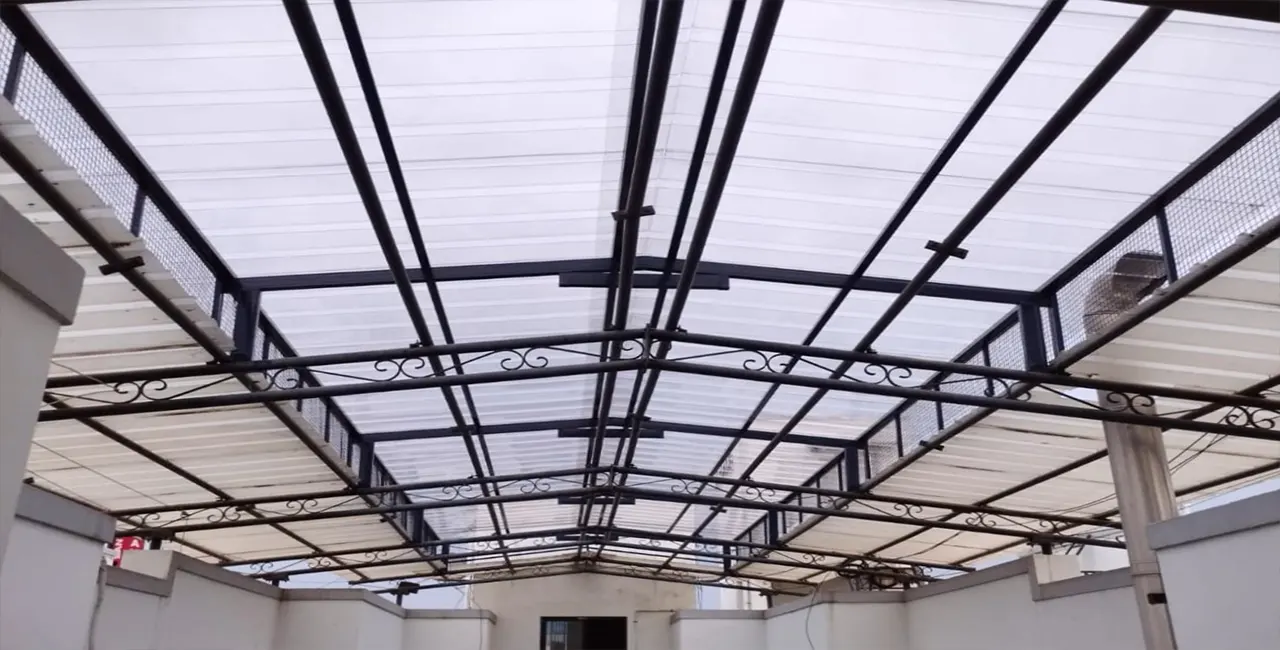
Future of Polycarbonate Sheet Technology Advancements and Trends in India
In the rapidly evolving realm of architecture and construction, where innovation and sustainability intertwine...
10 August, 2023
Read more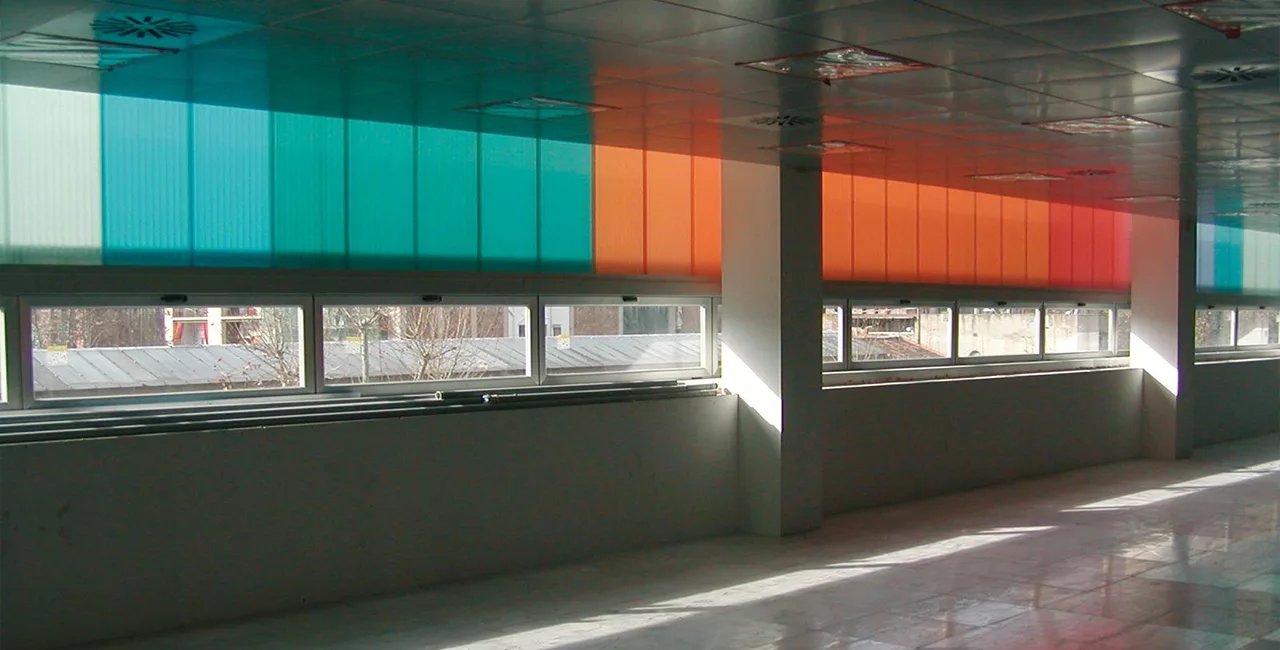
Exploring the World of Polycarbonate Sheets: Unveiling Their Properties and Applications
Polycarbonate sheets have revolutionized the construction and industrial sectors with their remarkable properties and...
10 August, 2023
Read more